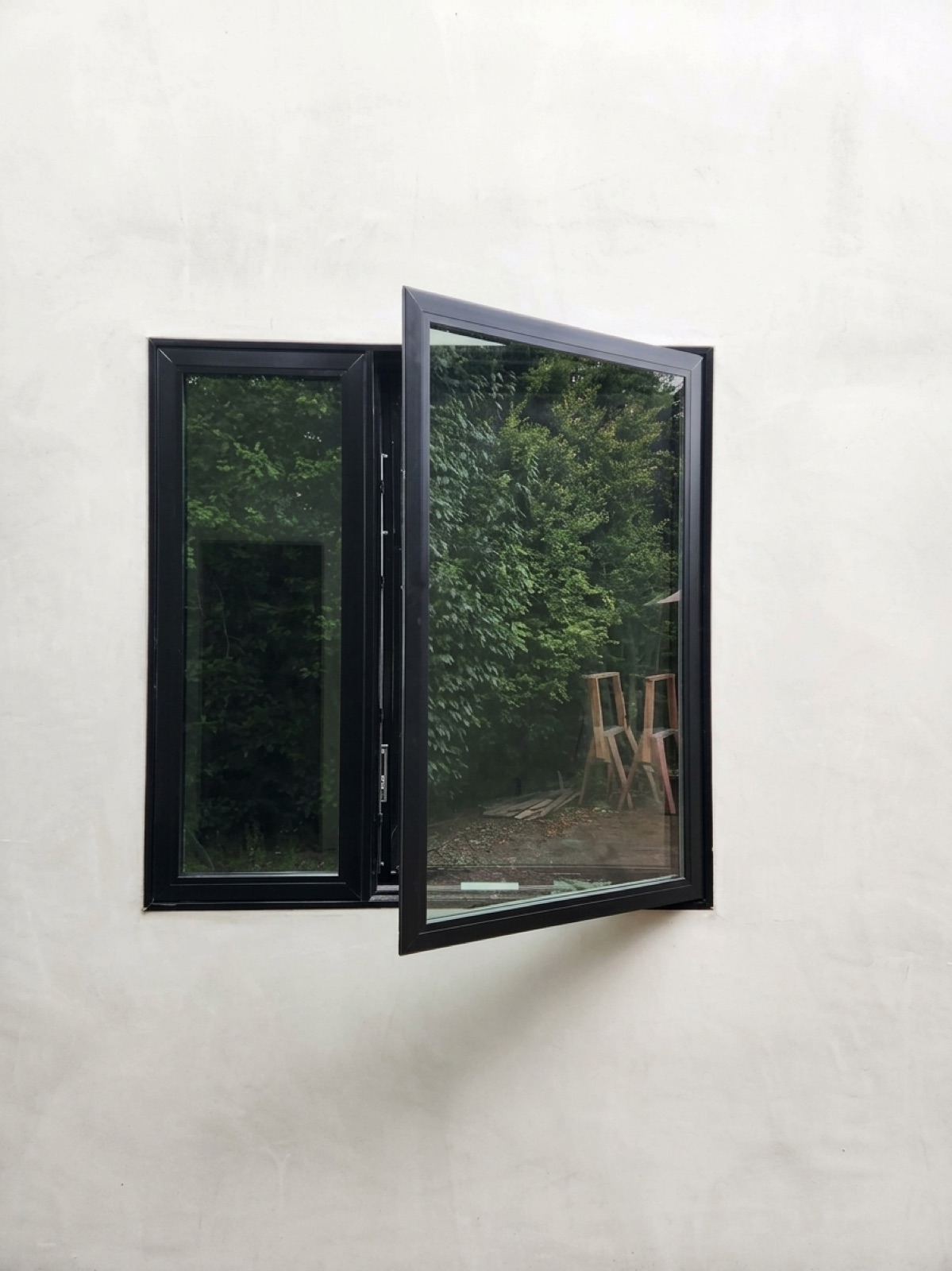


When replacing windows, you’ll likely choose between retrofit windows (fitted into existing frames) and nail fin windows (used in new construction with a flange nailed to the wall). Retrofit windows often stand out for replacements. Here’s a concise look at their advantages over nail fin installations, plus a pros and cons list.
Why Retrofit Wins for Replacements
Retrofit windows are less invasive, sliding into existing frames without disturbing walls or siding. This cuts labor time, costs, and mess compared to nail fin windows, which require exterior work. They also preserve your home’s look, avoiding damage to stucco or trim, and offer solid energy efficiency without a full overhaul.
Pros and Cons
Retrofit Windows
Pros:
- Quick, easy installation
- Lower cost (less labor, no exterior repairs)
- Preserves exterior aesthetics
- Good for sound existing frames
Cons:
- Not ideal for damaged or rotted frames
- Slightly less flexibility in sizing

Nail Fin Windows
Pros:
- Strong seal for new builds or major renos
- Customizable for exposed framing
- Long-term durability with full replacement
Cons:
- More invasive and costly
- Requires exterior modifications

Final Take
Retrofit windows shine for simple upgrades, saving time and money while keeping your home intact. Nail fin windows suit new construction or damaged frames. Check your frames and goals—retrofit might be your best bet!
Ready to start?
Send photos or a rough opening count through Lion's guided estimate tool — we'll come back with a considered number.