
Welcome to The Design Corner, our new series where we explain the design choices behind great windows and patio doors. First up: grids.
What Are Grids?
Grids (also called grilles or muntins) are the bars that divide glass into smaller sections, called ‘lites.’ Centuries ago they were needed because glass only came in small panes. Today they’re purely a design choice, and they can change the whole character of a home.
Grid Styles: How They’re Built
Grilles Between the Glass (GBG) — The grid is sealed inside the insulated glass, between the two panes. Available in flat or contoured (sculptured) profiles.
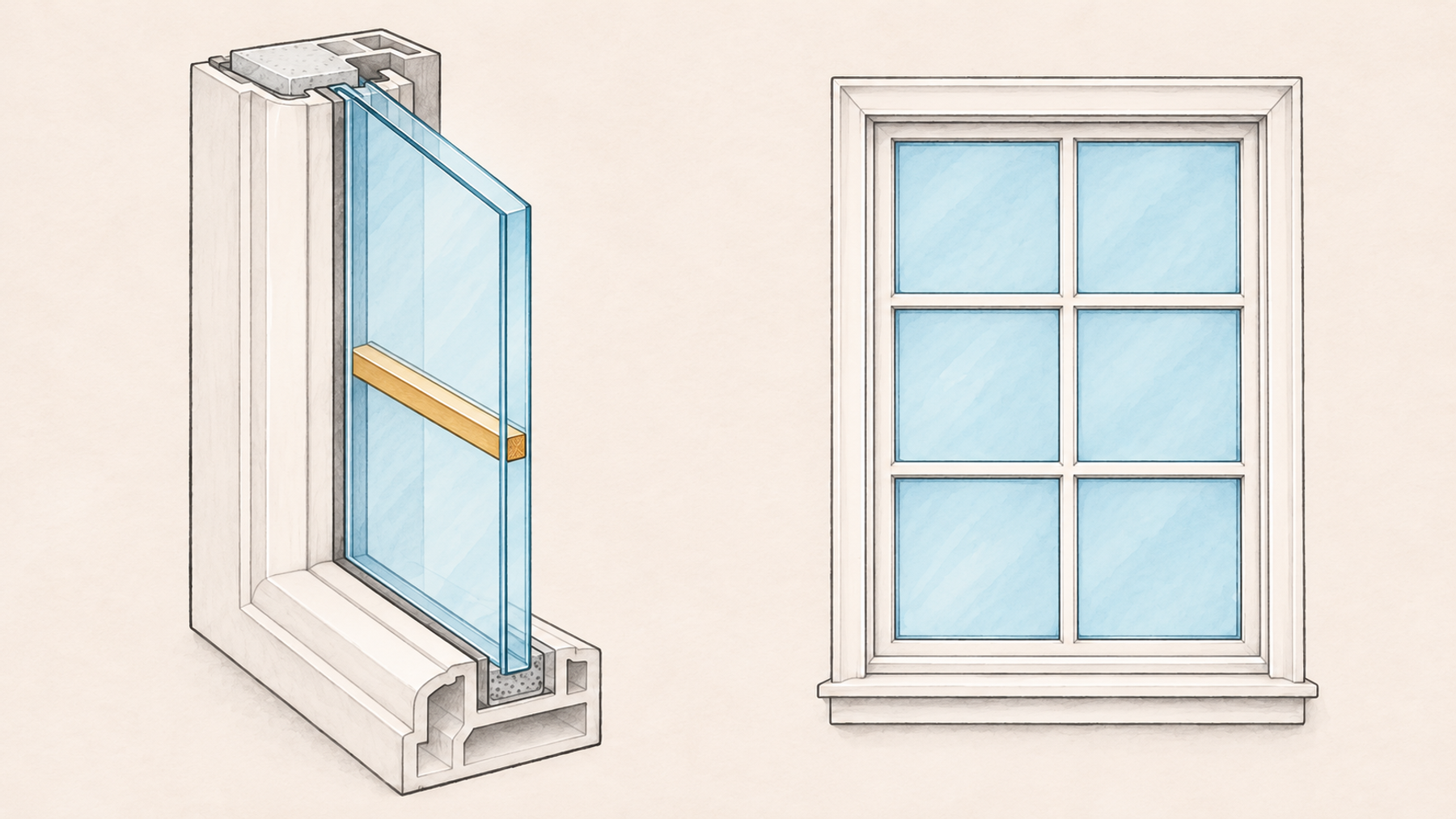
Often a good fit when: you want the look of grids with glass that’s easy to clean. Common trade-off: the grid looks flatter, with less depth than other styles.
Simulated Divided Lite (SDL) — Bars are bonded to the inside and outside of the glass, often with a spacer between the panes to complete the illusion of separate lites.
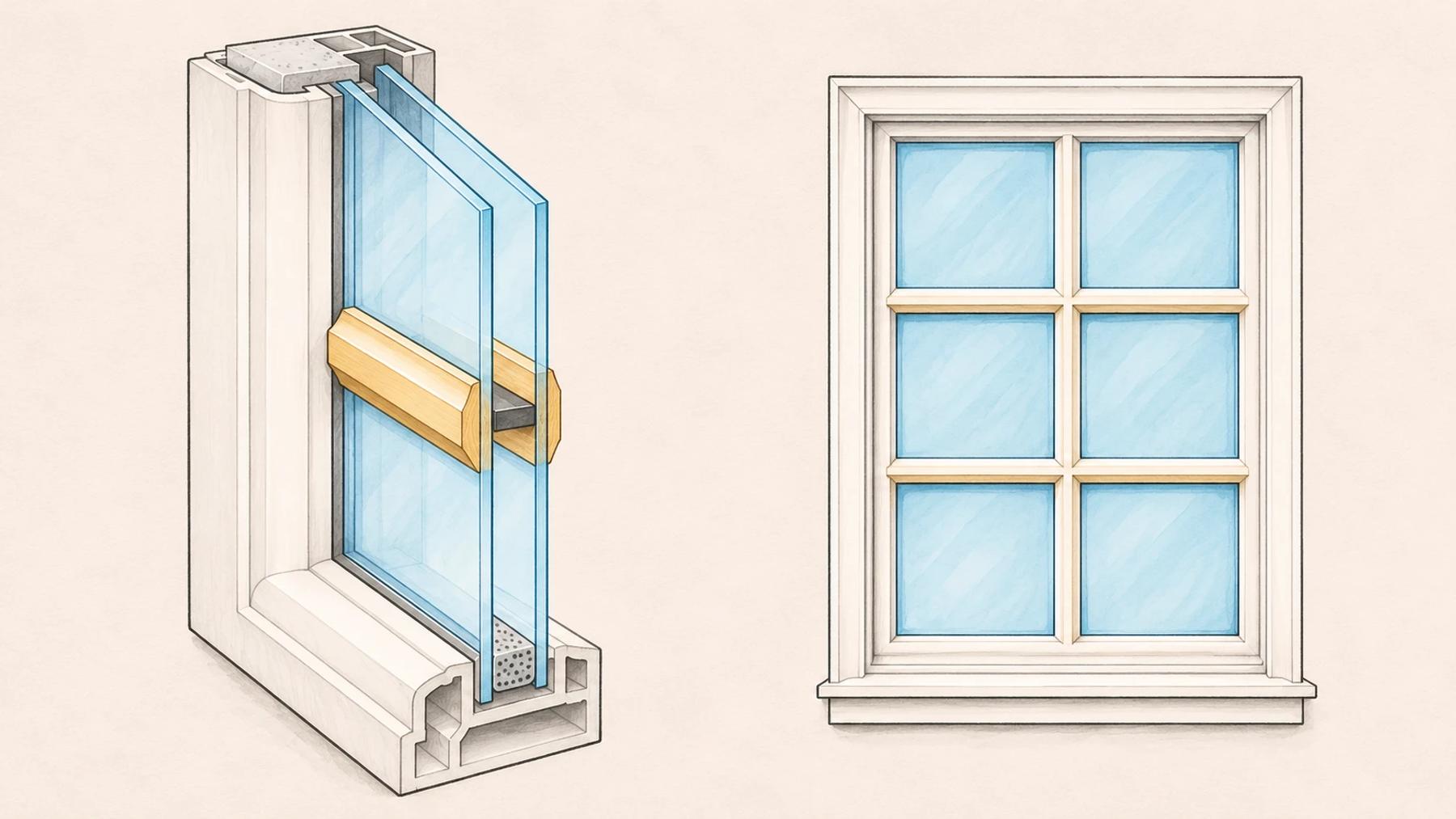
Often a good fit when: you want an authentic, dimensional look on a traditional or historic-style home. Common trade-off: usually costs more, and there are more edges to clean around.
True Divided Lite (TDL) — Each lite is its own separate piece of glass.
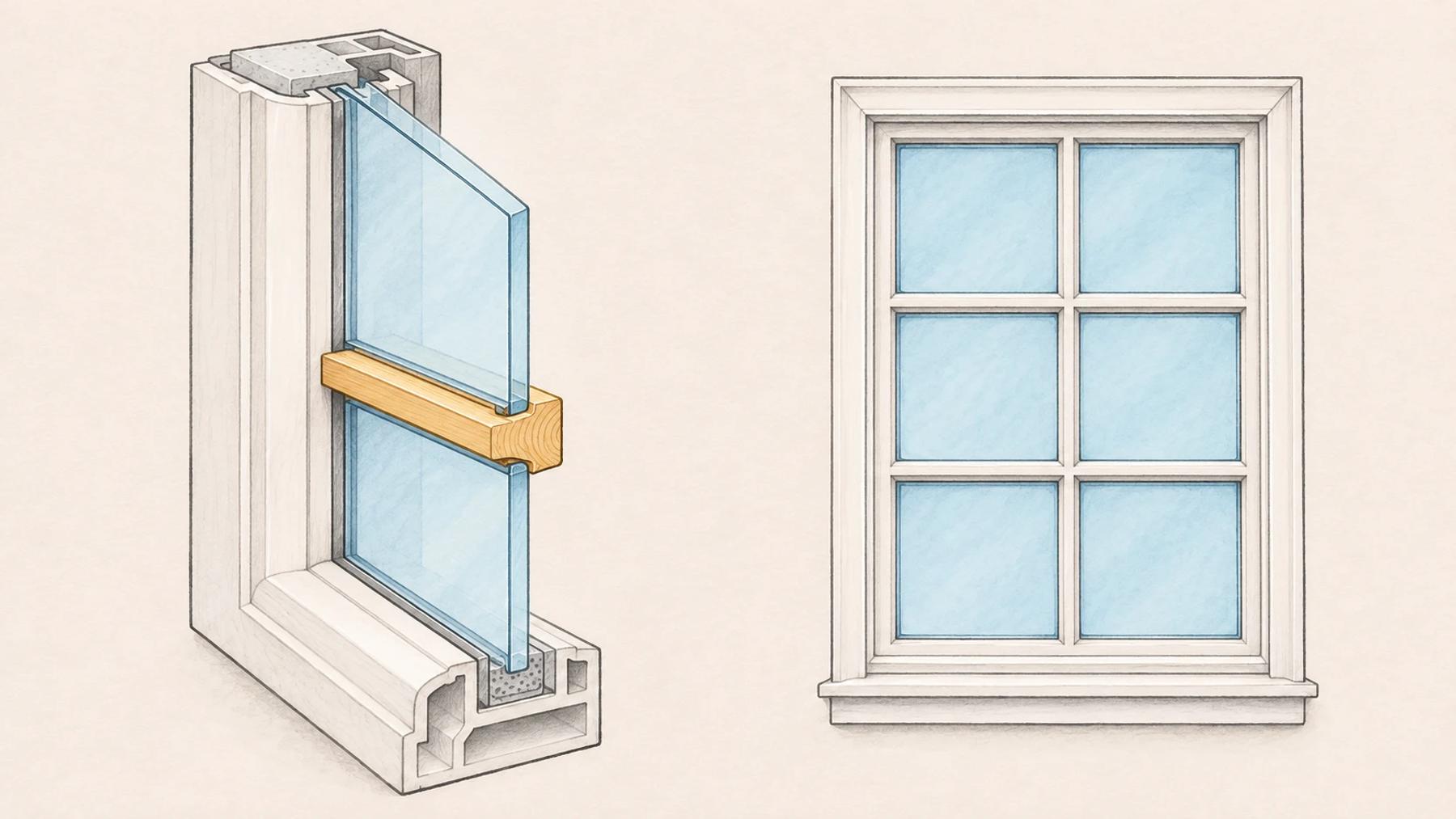
Often a good fit when: a restoration project calls for complete authenticity. Common trade-off: less common in today’s energy-efficient products, and typically the most expensive option.
Grid Patterns: How They Look
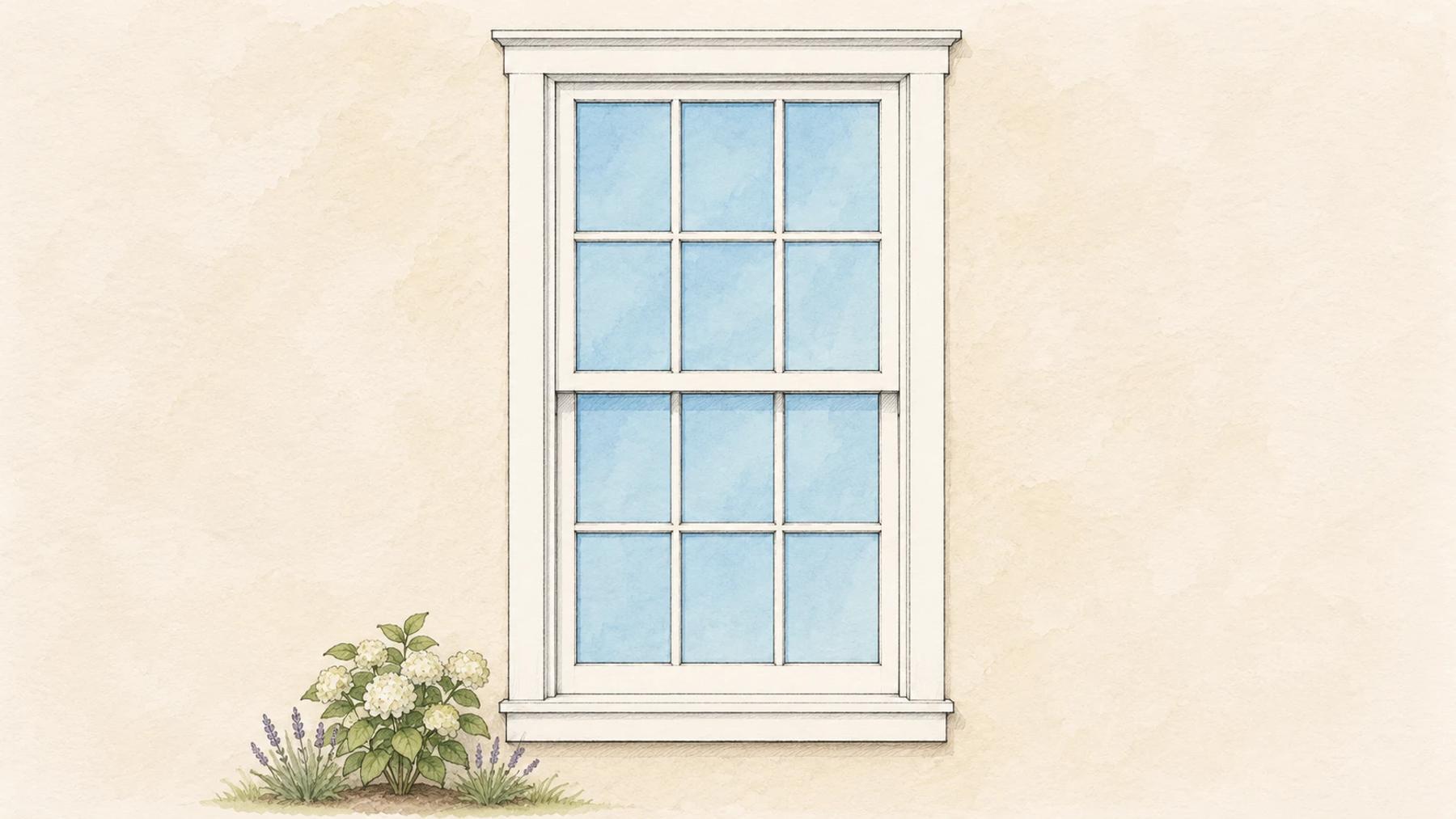
Colonial: an even grid across the entire glass. Classic and symmetrical, at home on Traditional and Colonial Revival houses.
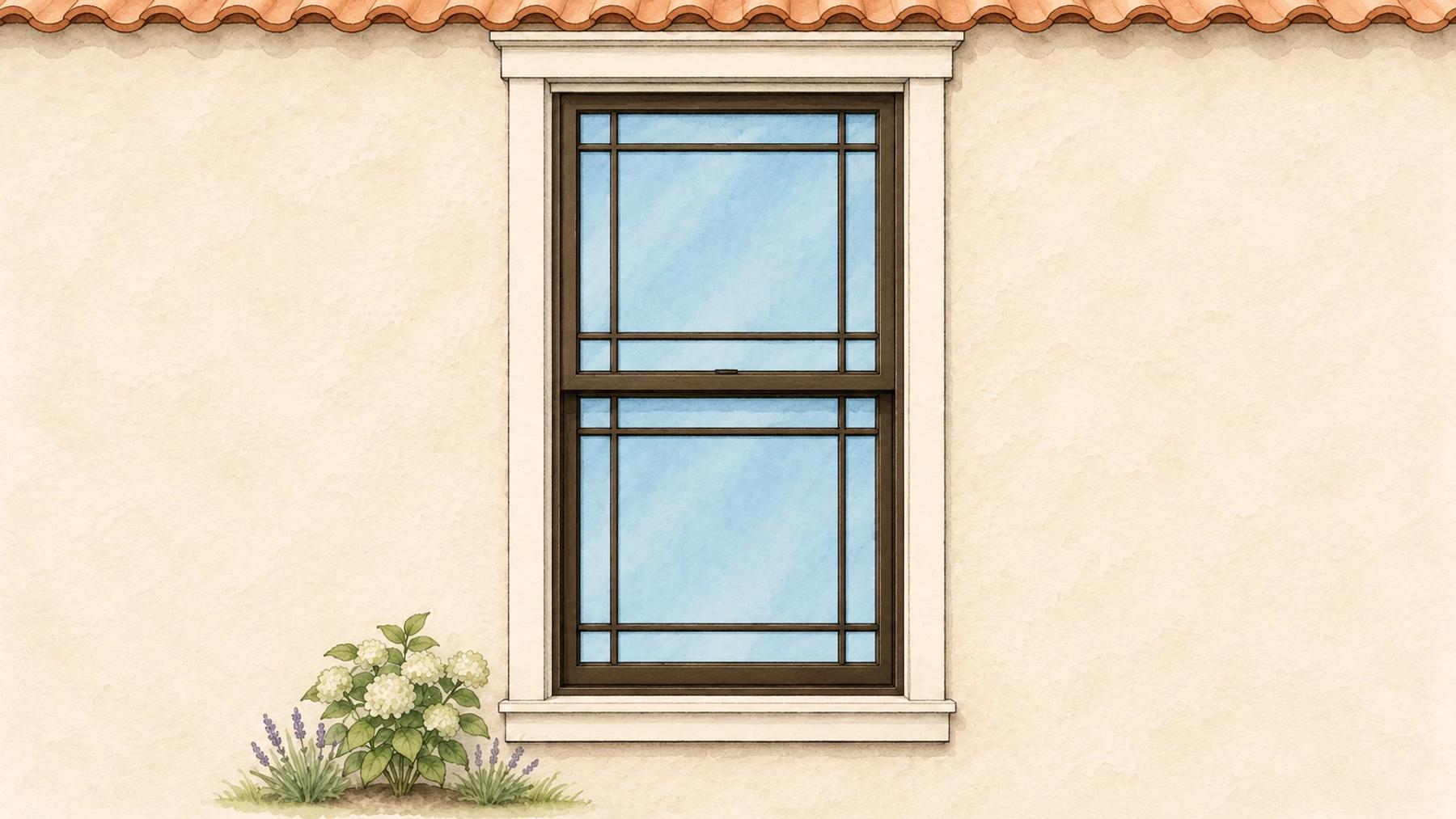
Prairie: bars run around the edges, leaving a large open center. A favorite for Spanish Revival and Prairie-style homes.
Craftsman: vertical bars in the upper sash only, like a ‘3-over-1’ or ‘4-over-1,’ with clear glass below. It’s the signature look of the California bungalow, from Pasadena to the Westside, and it keeps the view open at eye level.
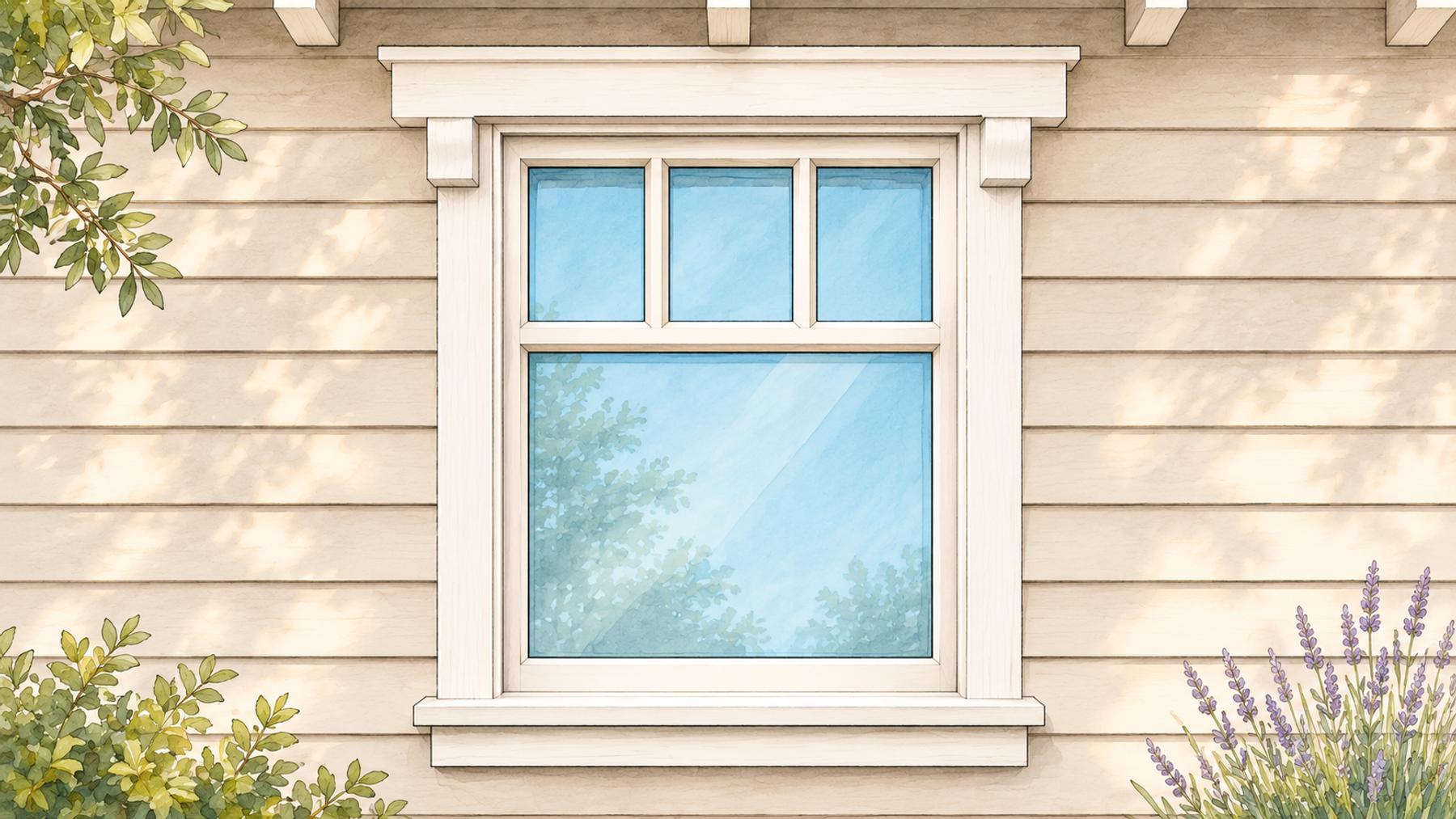
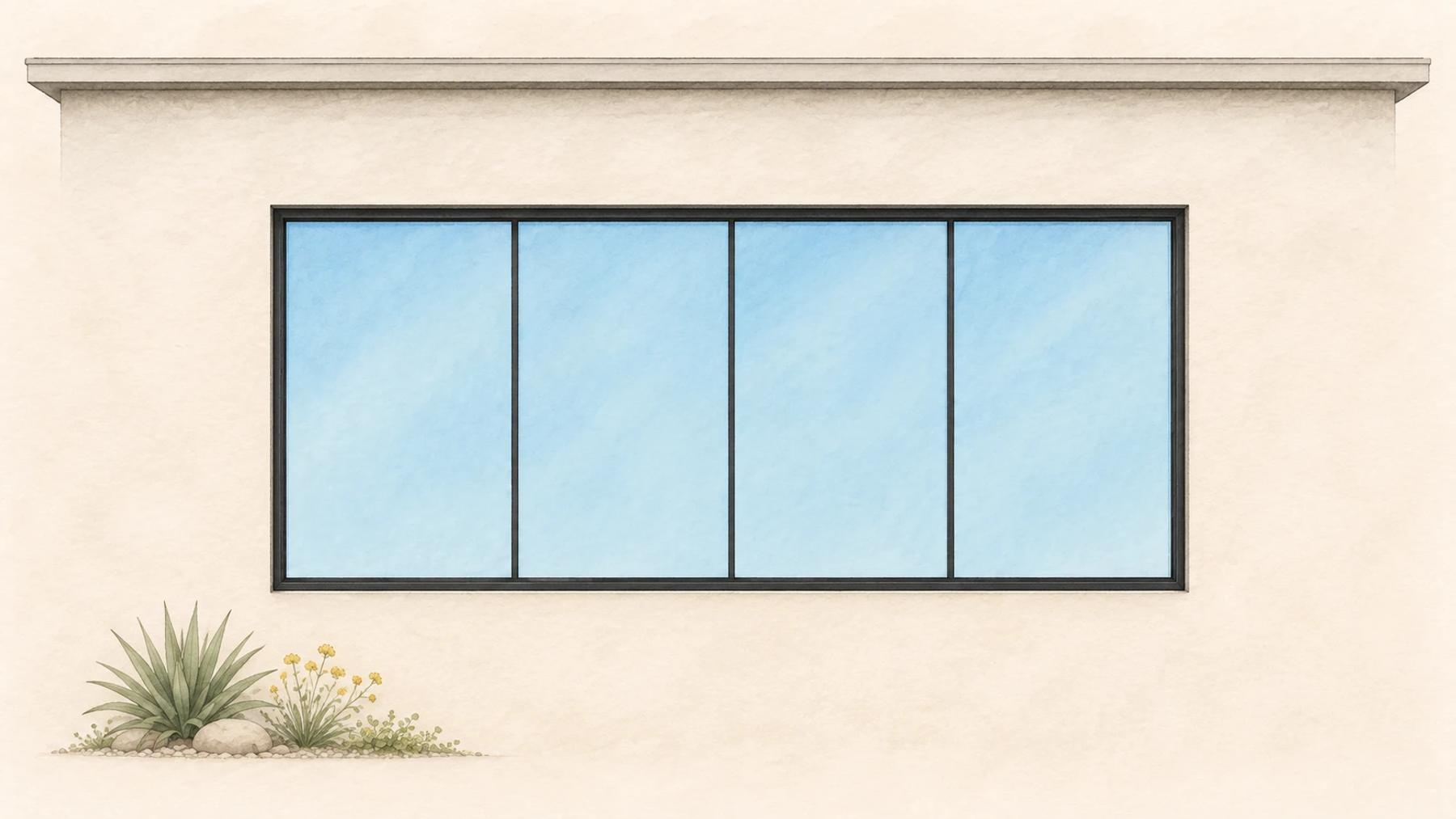
Contemporary / Linear: vertical-only or horizontal-only bars. Clean and modern, a nice fit for Mid-Century and contemporary designs.
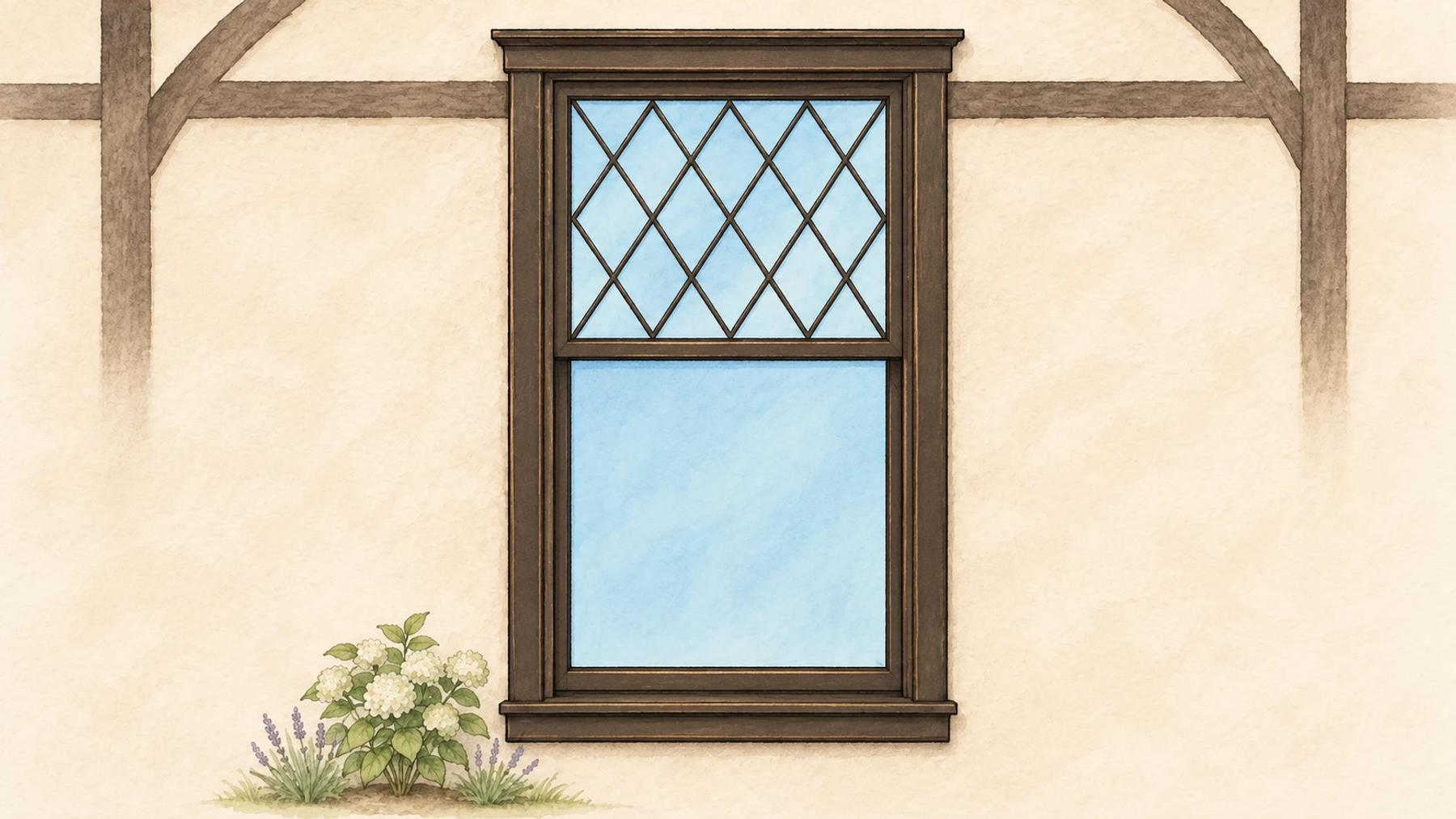
Diamond: a specialty pattern for Tudor or storybook-style homes, best used as an accent.
Don’t Forget Your Patio Doors
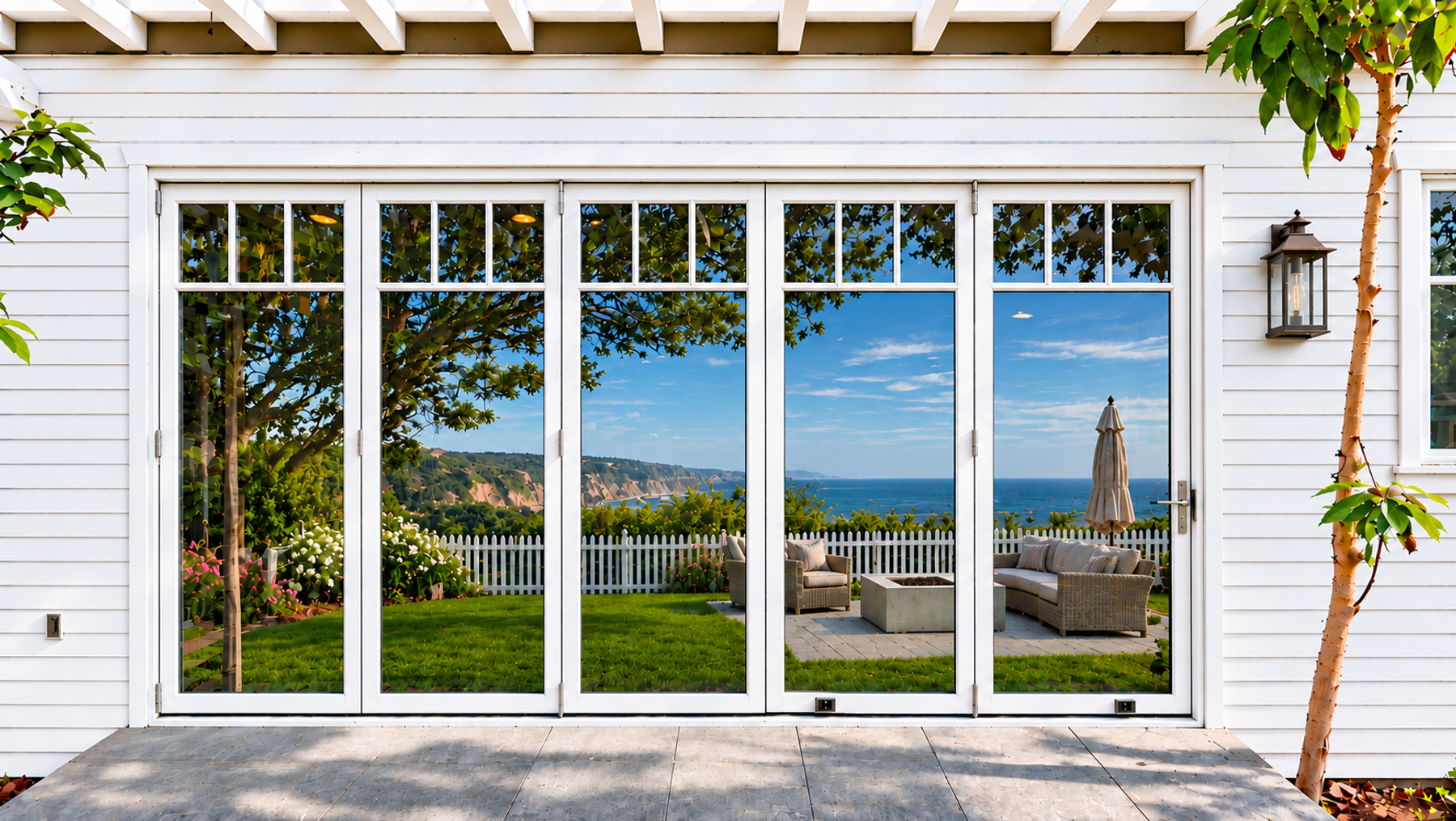
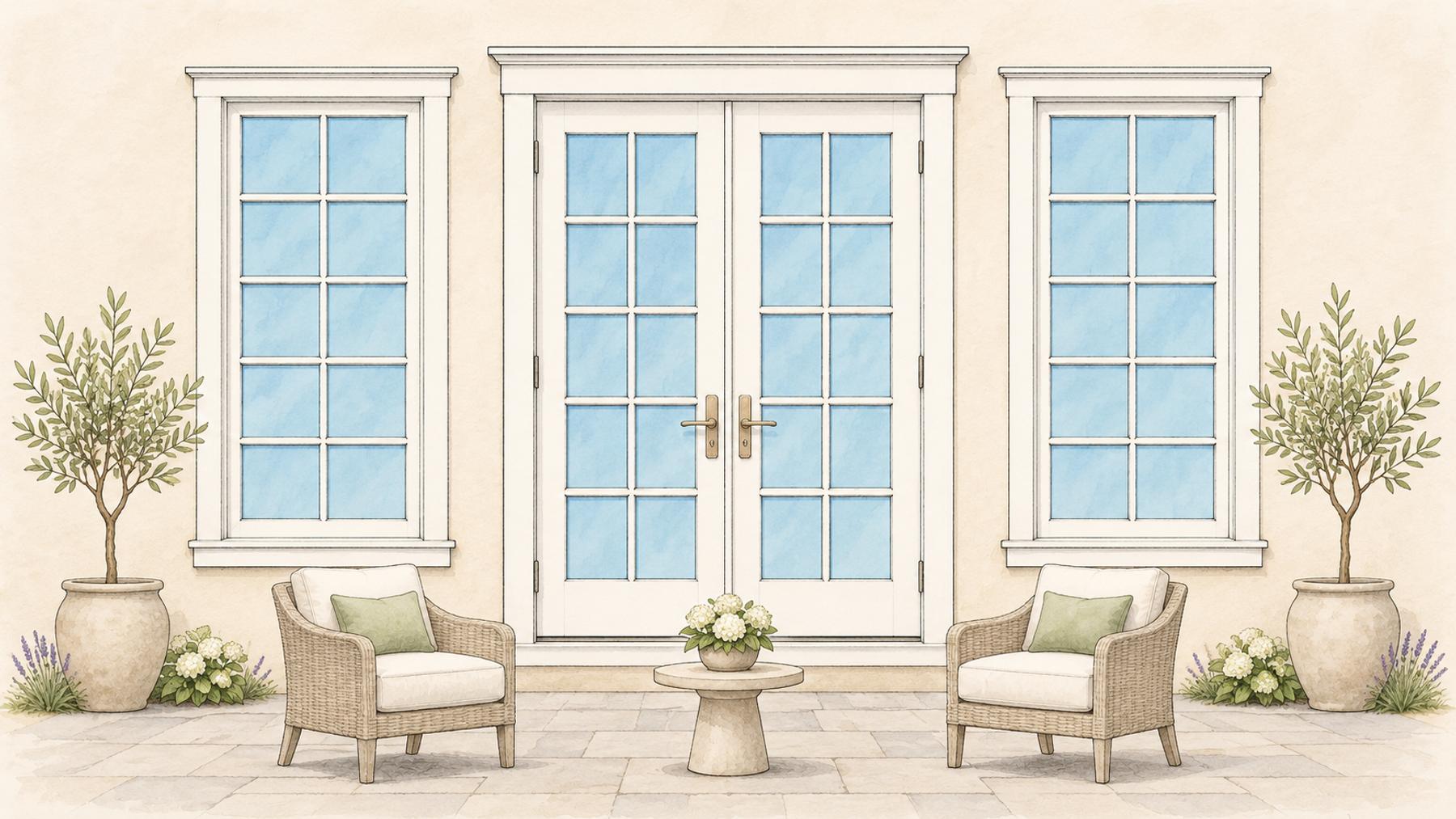
Grids on French doors, sliding doors and multi-slide doors should match the windows around them so the whole elevation reads as one design. That said, many homeowners skip grids on large sliding or multi-slide doors to keep the view wide open. A popular middle ground: match the pattern on French doors and side windows, and leave the big glass clear.
How to Choose: A Quick LA Framework
Start with your architecture. Los Angeles has everything from Spanish Revival to Mid-Century Modern. Let the home’s style lead.
Protect the view. Facing the ocean, the hills or a garden? Choose fewer bars, or Craftsman-style grids.
Think about upkeep. GBG is the easiest to keep clean.
Stay consistent. Use one grid style and pattern on each side of the house.
Check the rules. Homes in a Historic Preservation Overlay Zone (HPOZ) or an HOA may have grid requirements, so confirm before ordering.
See Them in Person
Grids are much easier to choose in person than from a photo. Visit our West LA showroom to compare GBG, SDL and different patterns side by side, or call us to schedule a free consultation.
Have a topic you’d like us to cover next in The Design Corner? Let us know. We’re learning together.